Make the app reproducible
Give the trusted runner a bounded way to start your application, seed synthetic state, execute known workflows, and explore changed routes in a browser.
Repository contract
A QA-ready repository owns its topology and fixtures. Code Voucher owns validation, hardening, browser execution, budgets, evidence handling, and teardown.
.code-voucher.yml
docker-compose.qa.yml
Dockerfile.qa                 # optional
qa/fixtures/**                # synthetic only
qa/stubs/** # local dependency substitutes- Use an idempotent init service for migrations and seed data
- Expose explicit health and browser URLs on the attempt-local network
- Use .test identities and synthetic records
- Replace payments, email, OAuth, analytics, and AI providers with local fail-closed substitutes
- Never add production credentials, copied sessions, or production data
Analyze an existing repository
Inventory runtime dependencies, existing test assets, readiness gaps, and the files a safe QA setup would require.
Start the app
Compose, health, initialization, and synthetic data
Replace integrations
Local, deterministic, fail-closed service substitutes
Define workflows
Trusted browser steps, assertions, and screenshots
Route selection
Code Voucher combines declared entrypoints, routes inferred from the diff, and required deterministic scenarios. Exploration is bounded by page and time budgets; repository values may reduce platform ceilings, never increase them.
qa:
  startup:
    type: docker_compose
    file: docker-compose.qa.yml
    service: web
    healthcheck_url: http://web:3000/health
    browser_url: http://web:3000
  exploration:
    entrypoints: [/, /login, /dashboard]
    changed_routes: auto
    max_minutes: 8
    max_pages: 12
  auth:
    mode: none
  secrets:
    profile: none
Evidence and verdicts
A screenshot proves what the browser observed in that synthetic environment. It does not prove that a production provider integration works. Required scenario failures can fail QA; exploratory observations are advisory until validated.
Actual PTZLlandingpage run
Six routes, one private evidence trail
The July 16 dogfood run visited /, /assistant, /en, /fr, /en/about, /fr/about. All visits returned 200. Blocked Google Analytics requests were classified as expected policy blocks, so the recorded verdict was pass. Static route analysis added no further routes to the configured critical set.
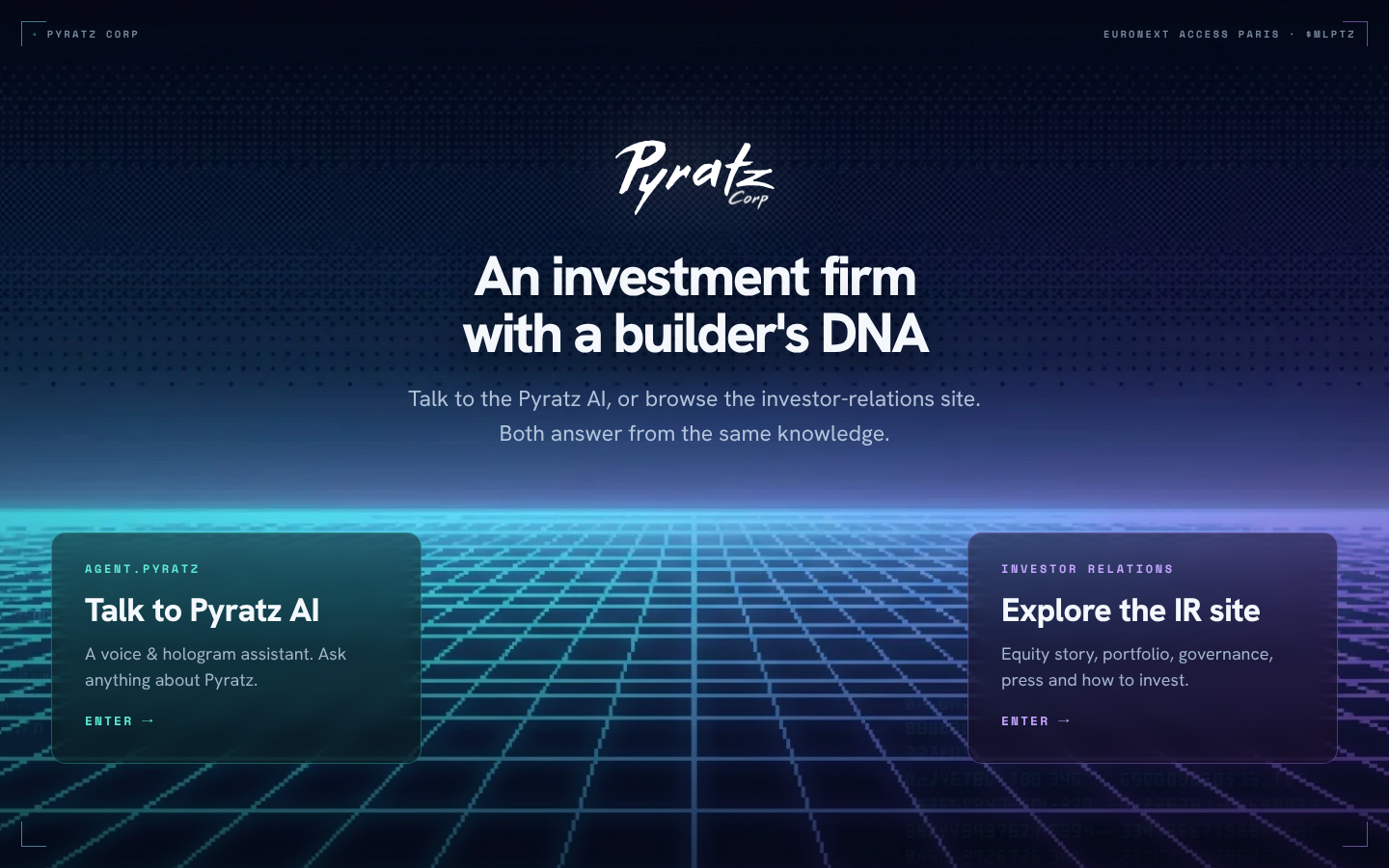
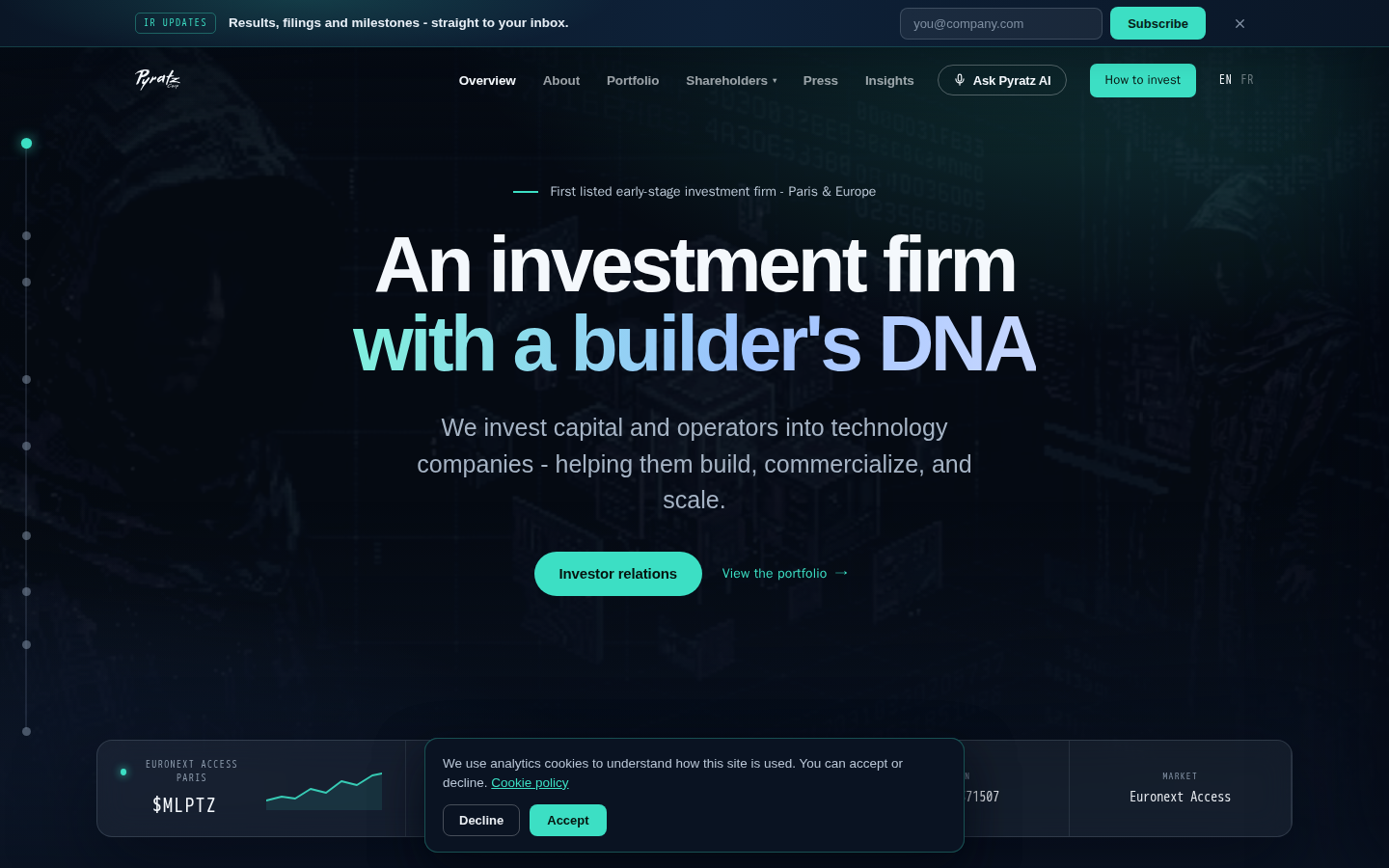
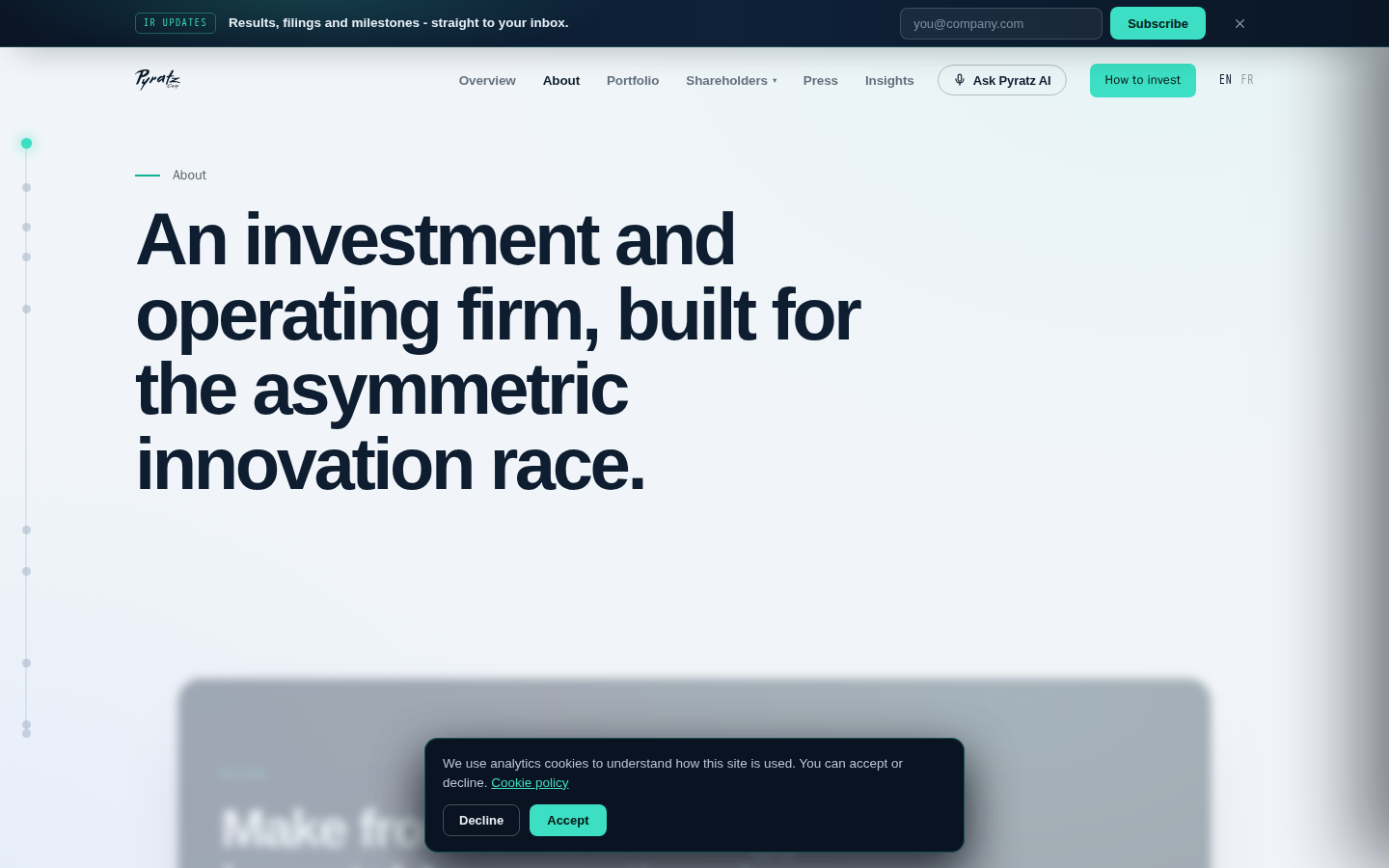
Repository owner explicitly approved publication for the documentation site on 2026-07-17. Raw run artifacts remain private by default.
Do not point QA at production. Production credentials are not supported. Externally enforced runtime egress denial is a release gate for public customer execution, not a guarantee of the current dogfood Docker executor.